AI Email Automation for Restaurants: 5 Flows That Work Immediately
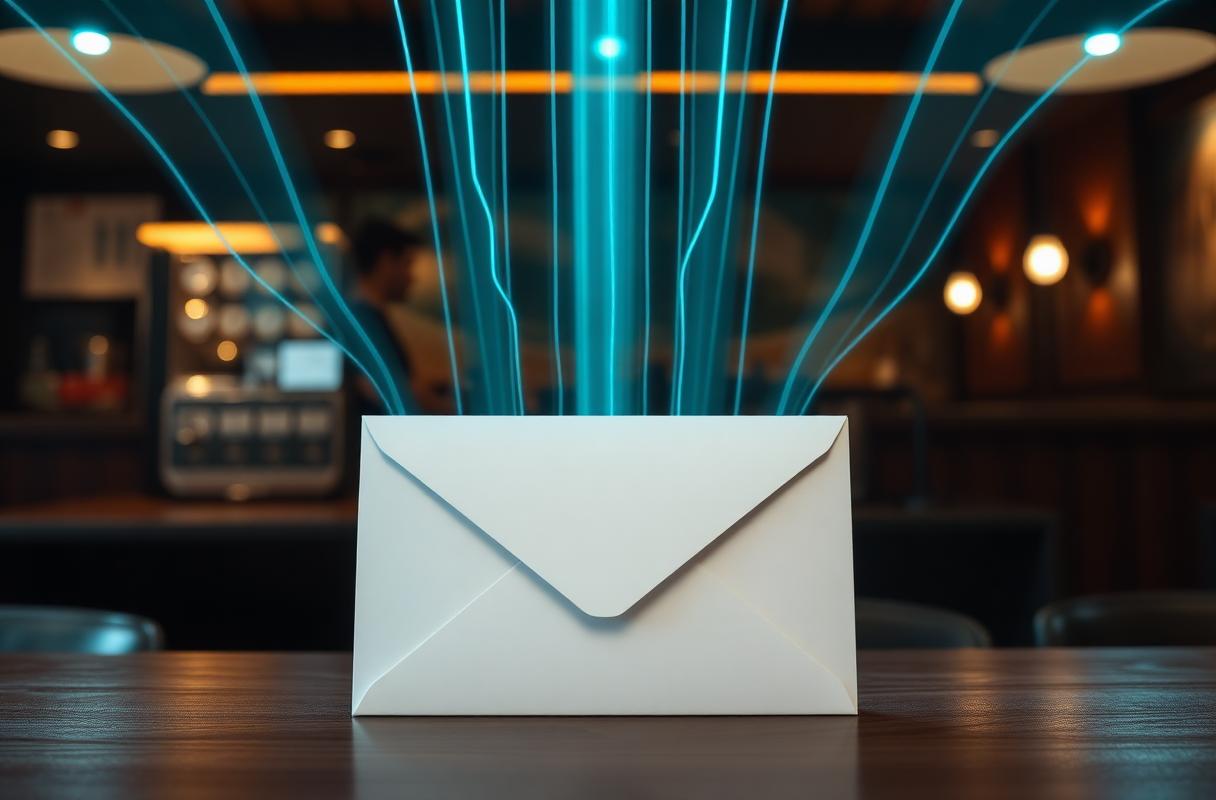
AI email automation for restaurants handles five core flows: confirmation, pre‑arrival, review request, win‑back and internal ops briefing.
Restaurants send more email today than ever before: confirmations, reminders, review requests, no‑show follow‑ups, gift vouchers, events. If you do that manually, you lose an hour every morning before you even step into the kitchen. With AI email automation for restaurants you set up five fixed flows that take over the work, stay personal and remain fully compliant with GDPR.
In the Netherlands, email is still the highest‑converting channel for repeat visits and upselling, especially when combined with WhatsApp and SMS. According to the Digital Decade indicators of the European Commission, almost every adult in the Netherlands uses email daily, and open rates in hospitality are significantly higher than in retail. More than enough reason to stop running your flows half‑manually.
In this guide I share five AI‑driven email flows that work immediately for restaurants, hotels and cafés, plus the internal agreements you should make before going live.
What is AI email automation for restaurants?
AI email automation for restaurants is a set of automated email flows that use language models to write your messages in a personal, error‑free way and in your own tone of voice. Unlike a classic marketing flow with static templates, the AI looks at the context of the guest: previous visits, selected menu, reservation language and the day of the week.
You feel the difference in the details. A guest who books a table for two on Wednesday afternoon receives a different confirmation than a group of twelve on Saturday evening. The AI adjusts opening times, parking information, allergy questions and upsells to the profile without you lifting a finger.
Want the broader story first? Then read our solutions page about AI email for hospitality and afterwards how a WhatsApp bot for hospitality complements email.
Practical tip: always set a real "reply‑to" address to your host or restaurant manager. Replies to an automatic confirmation are often the most valuable signal of the week.
Flow 1: The smart reservation confirmation
The reservation confirmation is the first contact after the booking and sets the tone. A good AI confirmation includes:
- Date, time, number of guests and the name of the host.
- A short route description and parking information based on the guest’s postcode.
- A simple "Change" or "Cancel" button that works directly in your reservation system.
- An open question about allergies or special requests, phrased in the guest’s language.
That last point in particular makes a difference. According to data on digital media behaviour from Statistics Netherlands (CBS), a large share of people in the Netherlands respond to a personal message within a few minutes. That gives your kitchen valuable preparation time.
Flow 2: Pre‑arrival email that reduces no‑shows
A day before the reservation, the AI sends a short reminder with three elements: confirmation button, menu and possibly an upsell such as an aperitif or wine pairing. For large groups, a final check follows two hours before arrival.
Royal Dutch Hospitality Association collects knowledge about no‑show prevention, and the common thread is always the same: active confirmation shortly before the reservation demonstrably reduces no‑shows. An AI flow strengthens this by adjusting the text per guest type and automatically triggering a WhatsApp reminder if there is no response.
Want to know how we connect email with other channels in a no‑show flow? Schedule a no‑obligation conversation or see how an AI receptionist for restaurants captures missed calls around reservations.
Flow 3: A review request that actually gets replies
The morning after the visit, the AI sends a short email with a personal opening. Not "Dear guest", but "Thank you for visiting our chef’s table last night". The AI pulls the table name, time and possibly the selected arrangement from your reservation system and builds the opening sentence around it.
Two tactical choices that make a big difference here:
- Start with an internal review question on a scale from one to five directly in the email.
- Only after a four or five offer the click‑through to Google or TripAdvisor; with lower scores provide a direct line to the manager.
This protects your public reputation while keeping internal visibility on areas for improvement. Research from Statista on email marketing confirms that personalised, well‑timed emails perform far better than standard campaigns.
Flow 4: Win‑back for guests who stop visiting
After sixty days without a visit, the AI sends a friendly "we miss you" email. The tone is approachable and the content relevant: a new menu, an event or a mid‑week moment that matches the guest’s previous reservation pattern.
Here the AI automatically segments by:
- Frequency of previous visits.
- Average spend, translated into a segment rather than euros.
- Preferred day and time.
- Language and region.
As a result, you do not send a mass email with "10% discount", but a personal invitation that fits how the guest previously experienced your venue. If you want this segmentation without pulling data yourself, we help set it up via HorecaHub.
Flow 5: Internal ops email that makes the day calmer
The fifth flow is internal. Every morning at 08:30 the AI sends a short email or push notification to the manager with:
- Number of reservations today, split by service.
- Allergies and special requests listed clearly.
- Top three risks (large tables, first reservation from a new guest, weather forecast for the terrace).
- Staffing suggestions based on patterns and the waiting list.
This single email often replaces a tangle of loose notes, messages and post‑its. And because the pattern repeats every day, the AI quickly learns which risk factors in your venue are genuinely predictive.
GDPR, opt‑in and the European AI Act
A few things are non‑negotiable, even if they sometimes feel like extra administration:
- For transactional email (confirmation, change, cancellation) you do not need a separate opt‑in.
- For marketing email (win‑back, events, newsletter) you need explicit opt‑in and a simple unsubscribe link in every email.
- Under the European AI Act you must be transparent that an AI system composes the email, for example through a short footer.
- Do not store personal data longer than necessary and provide guests with a simple "delete me" path.
In practice we include these agreements as standard during the set‑up. You only need to ensure SPF, DKIM and DMARC are correctly configured on your domain so the emails actually reach the inbox.
Getting started with HorecaHub
Want to see what these five flows look like for your venue, including tone of voice and integrations? View the options on the pricing page or schedule a conversation via contact. We will show a live example confirmation in your own style and walk through together which flow will make the first impact in your restaurant.
See HorecaHub.ai in your business
In 20 minutes we show live how our AI colleague handles calls, emails and chats from your guests.
Frequently asked questions
Sources
Read also
Written by
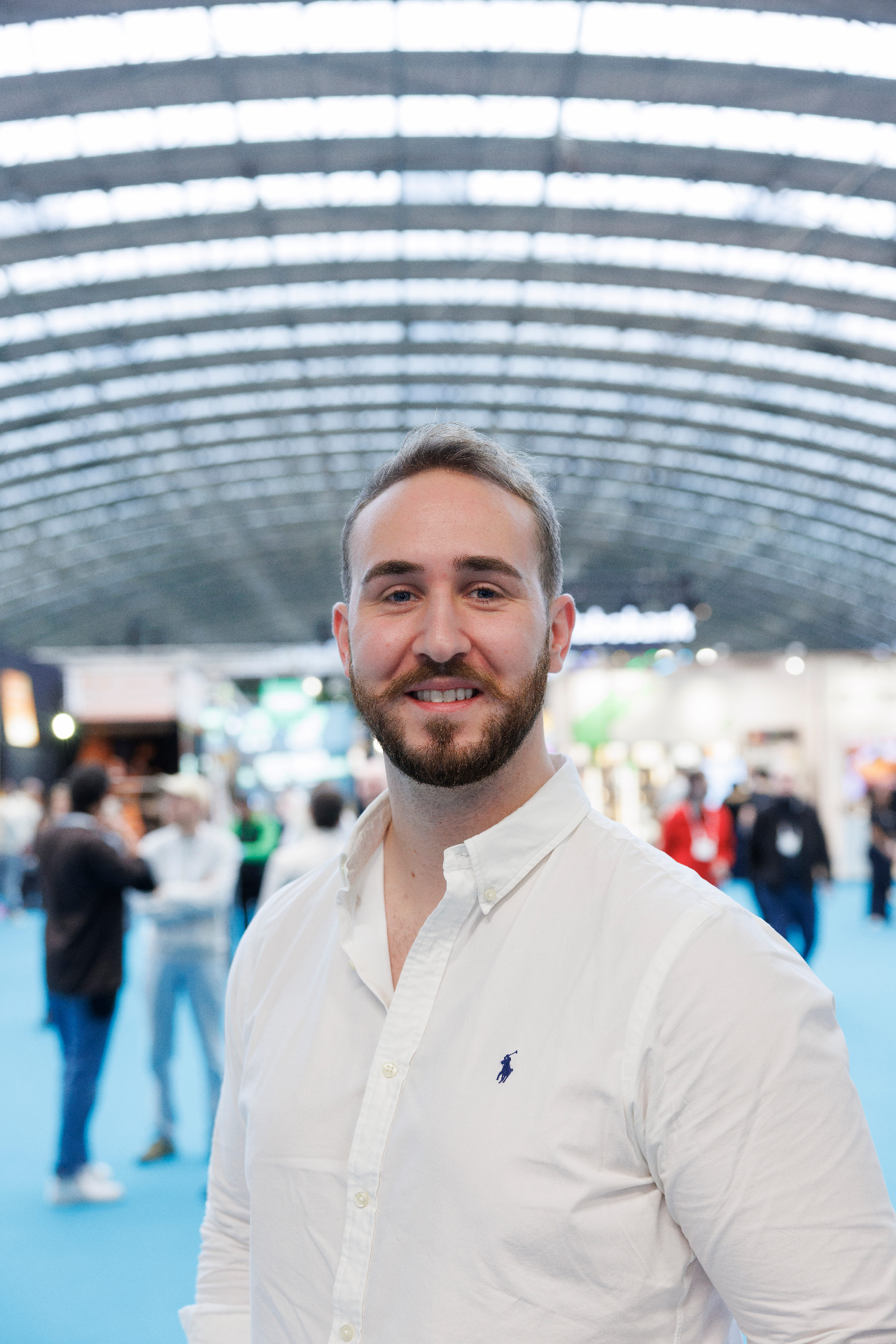
Martin Jurres
CCO of HorecaHub.ai
Driven by innovation and hospitality, Martin is building the commercial growth of HorecaHub.ai. With experience in sales, partnerships, and product demos, he translates AI technology into real value for hospitality entrepreneurs. His goal: to make every business run smarter, with less hassle and more profit. On this blog he shares hands-on lessons from conversations with hundreds of restaurants, hotels and cafés.
Topics