AI Hotel Amsterdam Savings Case Study: €2,000 per Month
A 4‑star Amsterdam hotel automated 70% of all guest questions with HorecaHub and is making structural savings on customer service.
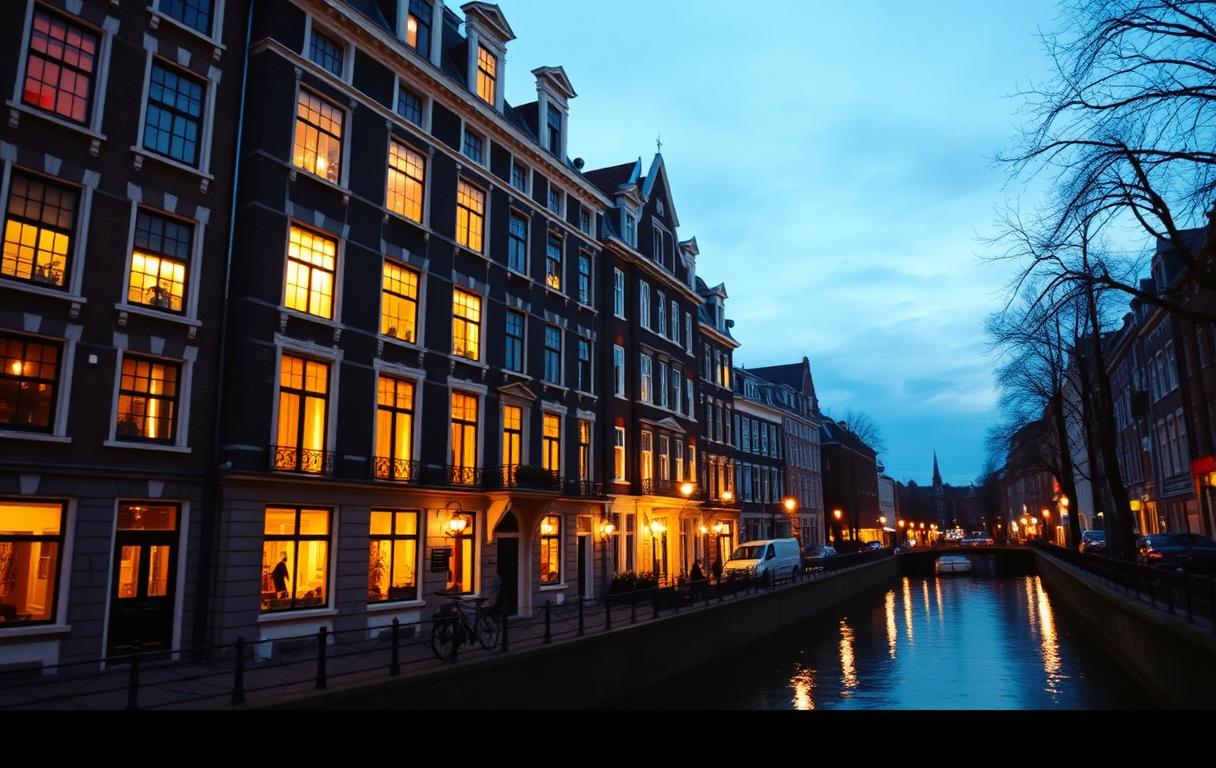
A 4‑star boutique hotel in the centre of Amsterdam faced a familiar dilemma at the end of 2025. Occupancy was excellent, but margins were under pressure due to rising staffing costs and the increasing number of guest enquiries via email, phone and chat. The management decided to launch an AI hotel Amsterdam savings case study with HorecaHub, and the result after six months was clear: 70 per cent of all guest enquiries are now answered fully automatically, and the savings on customer service costs have structurally increased to a substantial monthly amount that more than offsets the investment in the solution.
According to CBS figures on the hospitality sector, staffing costs in hotels in the Randstad are rising by an average of 8 per cent per year, while Koninklijke Horeca Nederland warns that the structural staff shortage will not disappear any time soon in the coming years. Cases like this are therefore no longer the exception but the norm for hotels that want to protect their margins without sacrificing the guest experience.
Starting situation: busy hotel with fragmented communication
Before the project began, the hotel received an average of 380 guest enquiries per week. Around 45 per cent arrived by phone, 35 per cent via email, 15 per cent through WhatsApp and 5 per cent via the website’s web chat. Three reception staff divided their attention between checking in guests and handling this incoming stream, with the result that the average email response time approached six hours and calls during peak hours frequently went to voicemail.
For a broader view of AI in hospitality, see our complete guide to hospitality automation and the AI agent hotel automation case.
Objectives: speed, cost savings and guest experience
During a joint kick‑off with the management team and reception staff, three clear objectives were set. The first was to reduce the average response time across all channels to under two minutes. The second was to achieve a substantial net monthly saving on customer service, qualitatively defined as at least eliminating half of a full‑time external contract. The third — and perhaps most important — was that the guest experience had to remain measurably the same or improve, measured via Google reviews and the NPS score from the check‑out survey. These three objectives were explicitly recorded in a dashboard before the start so that each month it could be objectively assessed whether the pilot was on track or required adjustment.
Implementation in three weeks
The rollout took place in three one‑week sprints. In the first week, the channels were technically connected to HorecaHub: the PMS Mews, the channel manager SiteMinder, the reception email inbox and the existing phone number via SIP. In the second week, the team trained the AI on hotel‑specific knowledge: from check‑in times to bicycle rental to house rules regarding dogs. In the third week, the system went live in pilot mode, with a staff member manually approving every automated response before it was sent to the guest.
Practical tip: in week three, have every AI response manually approved by a receptionist. This gives the team control and provides the AI with more training signals in five days than two months of corrections afterwards.
From week four onwards, pilot mode was switched off and the AI handled guests independently, with automatic escalation to reception in cases of doubt or unusual requests. For concrete packages and costs, see the pricing page.
Results after six months
The figures were reported monthly in a dashboard with live data from Mews, HorecaHub and Google Business Profile. After six months, the outcomes across the main channels were clear and consistent.
- Handled automatically: 70 per cent of all incoming enquiries, without human intervention.
- Average response time: 38 seconds on chat and WhatsApp, 1 minute 12 seconds on email, 3 seconds on phone.
- Savings: structural monthly cost reduction by eliminating a 0.6 FTE external contract on the customer service desk.
- NPS score: from 38 to 47, partly due to faster responses outside office hours.
- Google reviews: average increased from 4.3 to 4.6 stars across 187 new reviews.
Which questions does the AI handle independently?
Before the start, the hotel counted the ten most common guest questions. Today the AI handles nine of them entirely on its own, from questions about check‑in times and parking to confirming late check‑out, bicycle rental, breakfast times, pet policy and recommendations for nearby restaurants. Only complex group bookings and complaints about damage are always passed on to a human.
Under the European AI Act, it is transparently stated at the start of each conversation that the guest is speaking with an AI assistant, with the option to switch to a receptionist.
How did the team respond internally?
At the start there was some hesitation at reception. After two months the team unanimously said they would not want to return to the old situation. The reasons were consistent: fewer interruptions while checking in guests, more time for personal service at the desk and the disappearance of evening‑shift stress around incoming emails. For more examples, see our customer stories.
What can be learned from this case study?
Three insights are broadly applicable for hotels considering this path. First: integrate directly with your PMS, otherwise the AI remains half‑blind. Second: invest in a strong knowledge base with house rules, otherwise the AI will guess incorrectly. Third: involve your receptionists as trainers rather than competitors of the AI, and adoption will run considerably more smoothly.
Calculate your own savings?
Want to know what AI could save in your hotel or restaurant? View the pricing page or schedule a conversation via contact in which we review your current figures together. We usually provide a first indication of payback time within 24 hours after the intake, based on your call volume and email volume.
Which conditions determined the success?
Looking back, three choices proved decisive for the success of this pilot. First was the decision to involve reception staff from day one as trainers of the system rather than as spectators. As a result, support grew extremely quickly and blind spots in the knowledge base surfaced immediately. Second was the discipline of reviewing the ten most common AI errors each week in a short stand‑up and immediately turning them into new training examples. Third was the deliberate decision not to switch off the old phone line immediately but to run it in parallel for two months so there was never any doubt about backup. For hotels considering taking the same step, these three choices are more valuable than any functional comparison list between vendors, and adoption tends to run far more smoothly than many management teams expect beforehand.
See HorecaHub.ai in your business
In 20 minutes we show live how our AI colleague handles calls, emails and chats from your guests.
Frequently asked questions
Sources
Read also
Written by
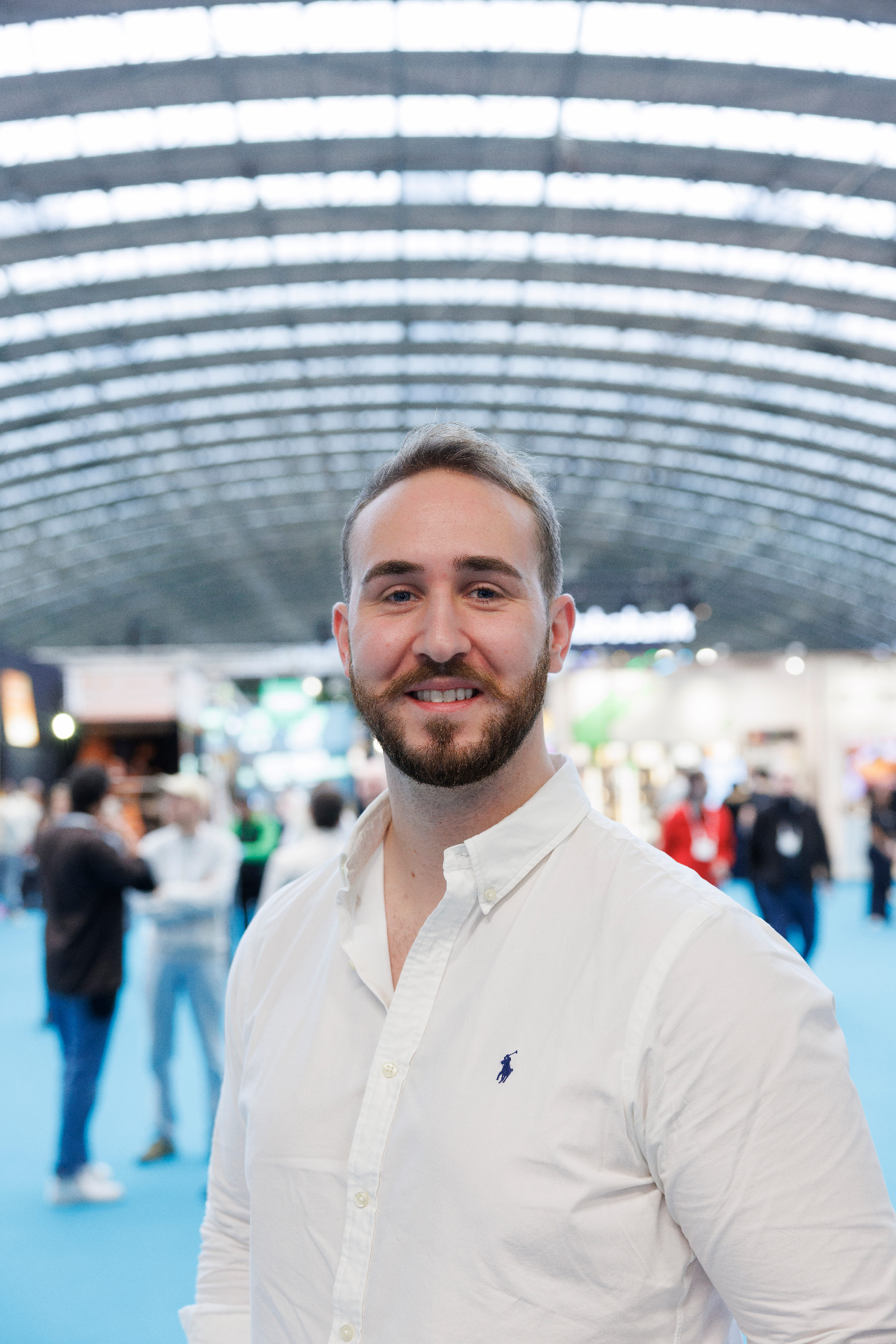
Martin Jurres
CCO of HorecaHub.ai
Driven by innovation and hospitality, Martin is building the commercial growth of HorecaHub.ai. With experience in sales, partnerships, and product demos, he translates AI technology into real value for hospitality entrepreneurs. His goal: to make every business run smarter, with less hassle and more profit. On this blog he shares hands-on lessons from conversations with hundreds of restaurants, hotels and cafés.
Topics